
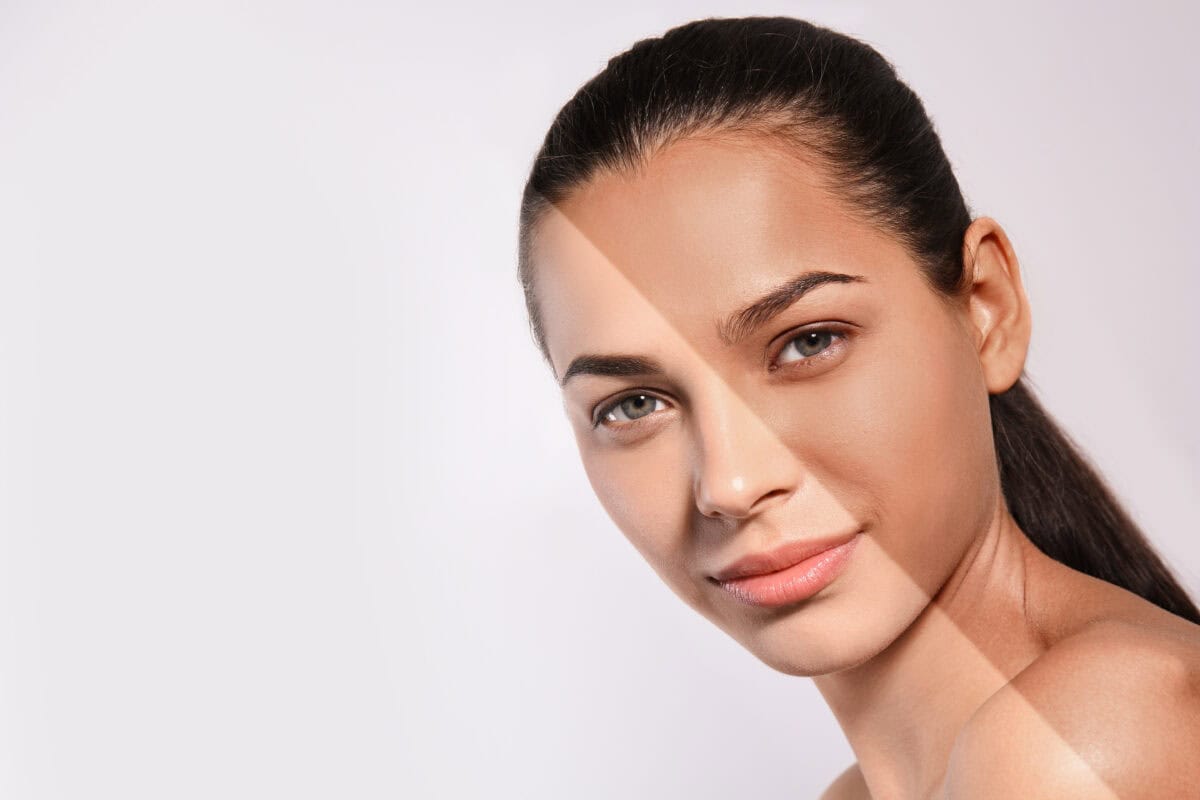
As Skin Cancer Awareness Month comes to a close, the Dermatology Providers at Vitalogy Skincare in the Austin area are encouraging patients to be cautious about dangerous tanning trends circulating on social media. While TikTok and Instagram may glamorize bronzed skin and dramatic tan lines, many of these viral “hacks” can lead to serious skin damage and increase the risk of skin cancer.
Below are five harmful tanning trends that our Dermatology Providers say people should avoid, and why they can be dangerous for your skin.
1. UV Index Tanning
One popular trend encourages users to check the daily UV index and intentionally tan when UV levels are highest to darken their skin more quickly. While this may speed up tanning, it also dramatically increases exposure to harmful ultraviolet radiation.
Why it’s harmful:
Peak UV hours are when the sun’s rays are strongest and most damaging. Excessive UV exposure accelerates premature aging, causes sunburns, triggers hyperpigmentation, and significantly increases the risk of skin cancer, including melanoma. According to the American Cancer Society, melanoma accounts for 1% of all skin cancers, but causes a large majority of skin cancer deaths.
In a previous Skin Cancer Awareness Month blog, Dr. Jennifer Hanson, Board-Certified Dermatologist and Fellowship-Trained Mohs Surgeon, recommends the following:
- Limit sun exposure: Avoiding excessive exposure to the sun is key to preventing skin cancer. Avoid being outside during peak hours when the sun is strongest, usually from 10 am to 4 pm.
- Wear protective clothing: Cover your skin with long-sleeved shirts, pants, hats, and sunglasses when you’re out in the sun.
- Apply sunscreen: Use a broad-spectrum sunscreen with at least SPF 30 and apply it generously and frequently, especially after swimming or sweating.
- Don’t use tanning beds: Tanning beds are just as harmful as the sun, if not more, and can increase your risk of skin cancer.
- Check your skin regularly: Examine your skin regularly for any new or unusual spots, changes in color or texture, or any other changes that might indicate skin cancer.
- Protect children: Keep children under six months old out of the sun and protect them with hats, clothing, and sunscreen when they’re in the sun.
- Stay in the shade: Seek shade under a tree, umbrella, or other shelters when you’re outside.
- Be aware of your family history: If skin cancer runs in your family, you may be at higher risk, so discuss this with your doctor and take appropriate precautions.
Dr. Hanson works out of the Bastrop, Burnet, Cedar Park, Georgetown, and San Marcos locations.
2. “Sunburnt Tan Lines”
Another concerning trend involves users intentionally burning their skin to create bold bikini, sock, or strap tan lines for social media photos. Some videos even suggest that getting burned first will help create a “better” tan later.
Why it’s harmful:
There is no such thing as a healthy sunburn. A sunburn is a visible sign of DNA damage to the skin. Repeated burns increase the risk of skin cancer and can lead to long-term skin damage such as wrinkles, dark spots, and loss of elasticity. The Skin Cancer Foundation warns that a history of five or more sunburns doubles your risk of developing melanoma, the deadliest type of skin cancer.
3. Mixing Tanning Oils With Sunscreen
Some influencers promote mixing tanning oils, bronzing products, or body oils directly into sunscreen to tan faster while still claiming to stay protected.
Why it’s harmful:
Sunscreen is specifically formulated and tested to provide a certain SPF level. Mixing it with oils or other products can dilute its effectiveness and create uneven coverage, leaving skin vulnerable to UV damage. Plus, products such as tanning oils are designed to intensify UV exposure – the exact opposite of what sunscreen is intended to do.
4. Using Baby Oil or Tanning Accelerators
Older tanning methods have resurfaced online, including applying baby oil or tanning accelerators before sun exposure to achieve a deeper tan more quickly. There is even one trend circulating that recommends using beer to help you tan.
Why it’s harmful:
These products can intensify the sun’s rays, increasing the likelihood of severe burns. Many offer little to no UV protection, essentially amplifying skin damage while giving users a false sense of confidence in the sun.
5. Skipping Sunscreen to “Tan Better”
A growing misconception online is that sunscreen completely prevents tanning, leading some users to avoid SPF altogether intentionally.
Why it’s harmful:
Skipping sunscreen exposes the skin directly to harmful UVA and UVB rays. While sunscreen may not completely stop tanning, it helps reduce the amount of UV damage the skin absorbs. Going without protection greatly increases the risk of sunburn, premature aging, and skin cancer. In fact, when used as directed, sunscreen can decrease the risk of skin cancer and precancerous lesions by 40 to 50%.
In a blog titled THE PREVENTIVE POWER OF SUNSCREEN: Safeguarding Against Skin Cancer, our Dermatology Providers add that sunscreen also helps protect against wrinkles, sunspots, other hyperpigmentation issues, and flare-ups in people who suffer from eczema or rosacea.
A tan is not a sign of healthy skin – it is the skin’s response to injury from ultraviolet radiation. Even trends that appear harmless online can have long-term consequences for skin health.
At Vitalogy Skincare, patient health and skin safety remain the top priority. Our Dermatology Providers believe it is important to help patients distinguish between skin care facts and harmful online trends by providing accurate, science-backed information on sun protection and skin cancer prevention. By educating patients about the risks of excessive UV exposure and dangerous tanning practices, our skilled team aims to empower the Austin area community to make informed decisions that support long-term skin health.
Your skin tells your life story – let Vitalogy Skincare help it be a long, healthy one. Request an appointment with one of our Dermatology Providers today.